


I read headlines the way most people read a poker table. Here are two case examples this month:
Case 1: The giggle
I wrote about a pattern I was seeing in Democratic politics, leaders using humor to wave away positions they can no longer defend. That’s not Leadership.

Two weeks later, Glenn Greenwald, the journalist who broke the Snowden story, wrote a piece making nearly the same case, anchored in AOC dismissing her own defund-the-police advocacy as “Woke 1” hysteria on live television.
I’m certainly not claiming he read me. I’m pointing out that when two people looking at the same landscape independently spot the same tell, that’s usually a sign the tell is real, not a coincidence of two writers being cranky on the same week.
Case 2: The debate that wasn’t one
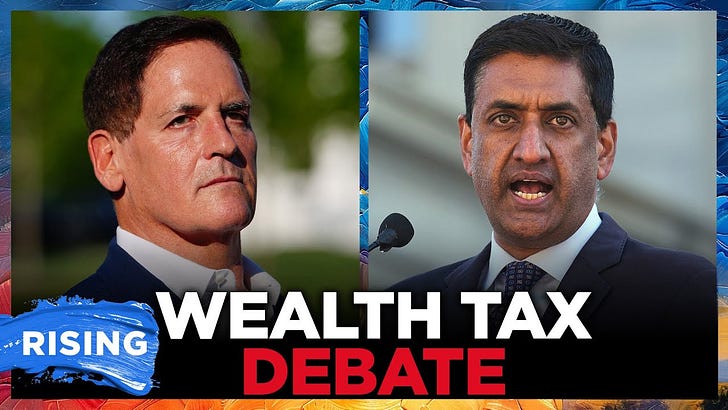
Mark Cuban and Ro Khanna staged a wealth tax debate. Watching it, my read was that it felt performed rather than contested, Cuban playing the business-defending free-market voice, Khanna playing the reformer, both hitting their marks a little too cleanly for a genuine disagreement.
Days later, Cuban came out in support of a Democratic candidate known for shifting positions depending on the room.
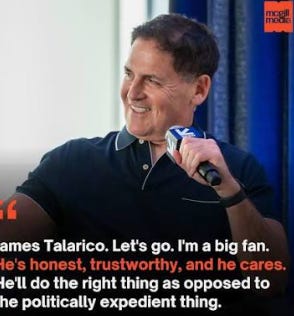
If Cuban genuinely believed what he was defending on stage, the endorsement that followed doesn’t track. You don’t spend an hour making the case for lower taxes and lighter regulation and then hand your support to someone who bends whichever way the wind is blowing on exactly those issues, unless the hour on stage was never really about conviction.
Same mechanism, two arenas
I read headlines for a living, or close enough to one. Most days that means separating what’s said from what’s being covered for. These two weeks, the cover was thin enough to see through in both directions at once. That’s not politics. That’s just cause and effect, with the politics stripped out.
How to apply it daily
You don’t need two weeks of headlines to run this. You need two questions, asked every time someone performs a position in public.
First, what did they just spend energy defending. Second, what’s the context of these arguments?
If you’re new here, that’s what a majority of my posts are about.
But everyone will have a subjective bias when interpreting the news so I developed software to avoid my bias and most certainly yours. The software is to keep the score objectively.
Premium subscribers get a software beta version that I built out of years of watching how headlines get constructed to persuade rather than inform, so you can run the same read yourself.
Follow me to learn about the subtle art of reading, implementing software to take the burden off of you, and how someone scales an online business where you can participate.